About the Battle of Mikatagahara
The Battle of Mikatagahara was fought in 1573 (22nd day of the 12th month, Genki 3) at Mikatagahara, Tōtōmi Province. On a snowy evening Takeda Shingen hands Tokugawa Ieyasu the worst defeat of his life. A winter death-struggle that ends with the empty-castle ruse and a night raid at Saigagake.
- Year
- 157322nd day of the 12th month, Genki 3
- Place
- Mikatagahara, Tōtōmi Province
- Era
- Sengoku period
The two armies
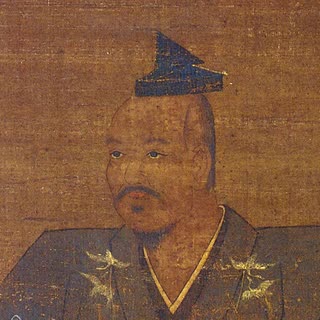 Takeda forces Commander-in-chiefTakeda Shingen 19,0005 units
 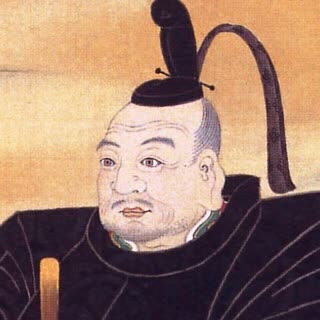 Tokugawa–Oda forces Commander-in-chiefTokugawa Ieyasu 14,3008 units
 Troop strengthTotal of the units shown in 3D
Fought 19,000
Fought 14,300
Takeda forcesBy troop strength
- Takeda Shingen 武田信玄 Commander-in-chief 8,000
-
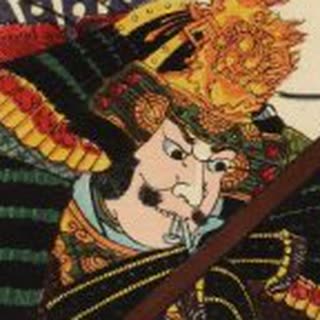 Yamagata Masakage 山県昌景 3,000
 -
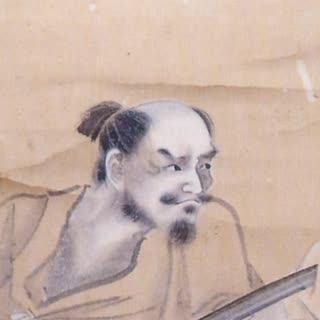 Baba Nobuharu 馬場信春 3,000
 -
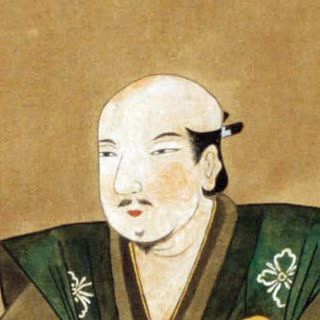 Takeda Katsuyori 武田勝頼 3,000
 - Oyamada Nobushige 小山田信茂 2,000
Tokugawa–Oda forcesBy troop strength
- Tokugawa Ieyasu 徳川家康 Commander-in-chief 6,000
- Sakuma Nobumori (Oda reinforcements) 佐久間信盛(織田援軍) 2,000
-
 Ishikawa Kazumasa 石川数正 1,500
 -
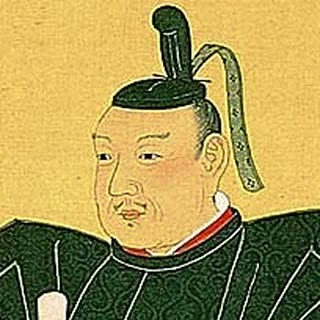 Sakai Tadatsugu 酒井忠次 1,500
 -
 Honda Tadakatsu 本多忠勝 1,000
 -
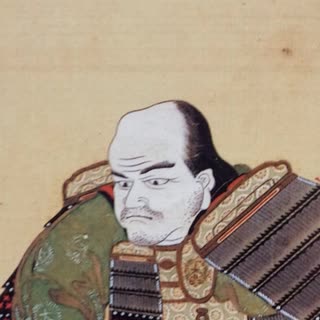 Ōkubo Tadayo 大久保忠世 1,000
 - Hirate Hirohide (Oda reinforcements) 平手汎秀(織田援軍) 1,000
- Natsume Yoshinobu 夏目吉信 300
Portraits are public-domain images from Wikimedia Commons (some are later imagined depictions).
How the battle unfoldedTimes follow the 3D clock
- 2:00 PMCh. 1
MarchShingen Passes the Castle By
The 22nd day of the 12th month, Genki 3. Takeda Shingen's 27,000, marching west, pay no attention to Hamamatsu Castle and turn onto the Mikatagahara plateau. To stay inside the castle would be safe. But to let the enemy march past your gate and not come out is a disgrace to a warrior house. Ieyasu makes his decision.
- 3:00 PMCh. 2
SortieIeyasu Leaves the Castle
Eight thousand Tokugawa troops and 3,000 Oda reinforcements. Chasing an enemy more than twice his strength, Ieyasu climbs onto the plateau as snow begins to fall. The Takeda form the "fish scale"; the Tokugawa spread the "crane's wing." As was said later, it was Ieyasu who had walked into the ambush.
- 4:00 PMCh. 3
LinesFace to Face at Dusk
Late in the hour of the monkey the sun sinks and snow swirls. At a signal of stones thrown by the Oyamada contingent, the two armies collide on the withered plateau.
- 4:30 PMCh. 4
BrokenFish Scale Crushes Crane's Wing
Against a master like Shingen the outspread crane's wing was far too thin. Yamagata's red-armoured troops split the left wing; the Baba contingent crushes the right. Hirate Hirohide of the Oda reinforcements is killed, and the Sakuma contingent leaves the field early.
- 5:30 PMCh. 5
RoutIeyasu Flees
Even the headquarters gives way, and Ieyasu gallops for Hamamatsu. Natsume Yoshinobu, who volunteers to impersonate his lord, vanishes into the enemy. Back in the castle, Ieyasu is said to have had a painter capture his own face, twisted with fear: the famous "grimacing portrait."
- 6:30 PMCh. 6
RuseThe Empty-Castle Ruse
Hamamatsu Castle throws its gates wide open and lights blazing watch-fires. Suspecting a trap, the Takeda call off the assault and camp on the plateau.
- 8:00 PMCh. 7
RaidNight Raid at Saigagake
In the middle of the night Ōkubo Tadayo and others strike the Takeda camp. Thrown into confusion in the dark, Takeda troops are said to have tumbled into the ravine at Saigagake. A small act of defiance in the midst of total defeat. Ieyasu never forgot the lesson of that day.
In Ultra detailBattle Pass
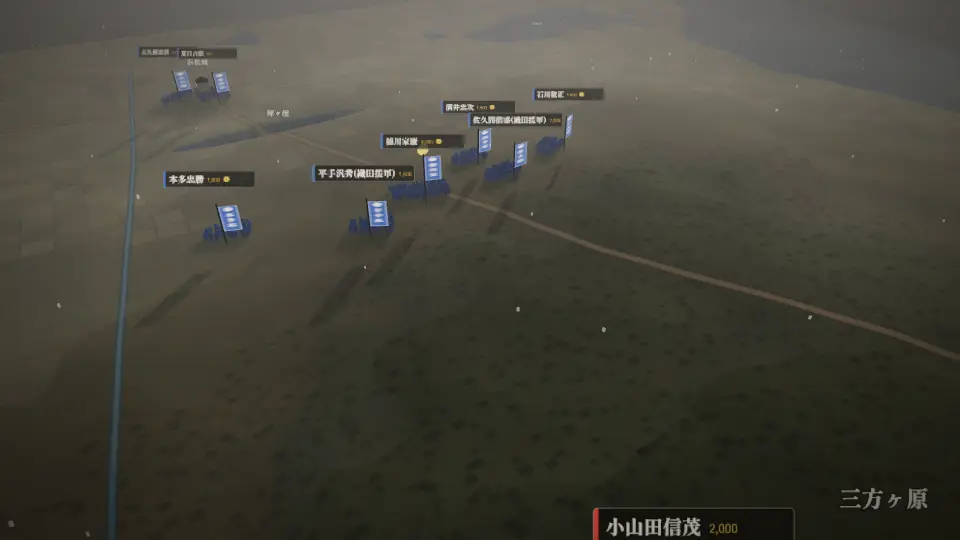
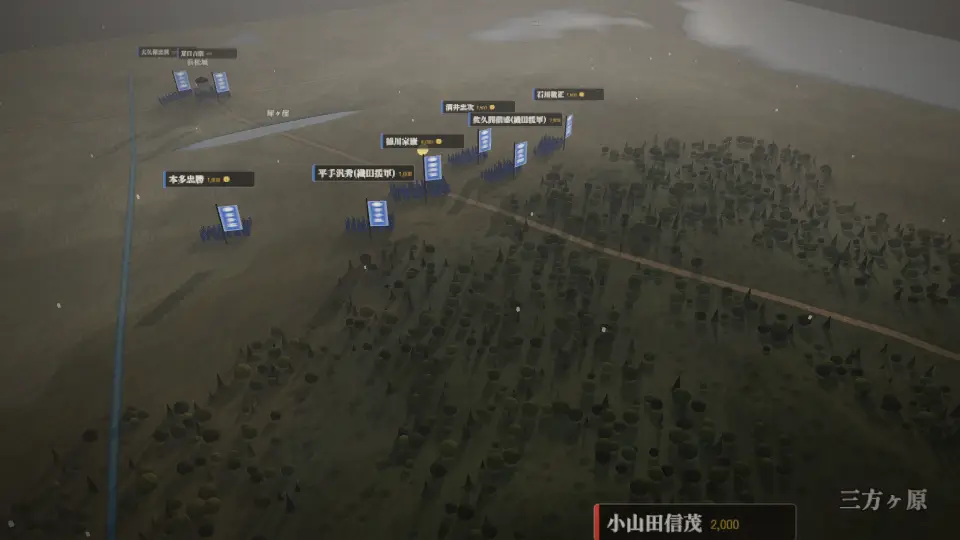
The same scene in the standard quality and in Ultra detail. Drag the line to compare, and switch between "Wide" and "Close-up". Ultra detail adds rugged mountains, forests and rocks in 3D, rippling seas and rivers, rows in the fields and soldiers as figures. Chapter 1 of every battle can be watched in Ultra detail without the Battle Pass.
FAQ
What was the Battle of Mikatagahara?
On a snowy evening Takeda Shingen hands Tokugawa Ieyasu the worst defeat of his life. A winter death-struggle that ends with the empty-castle ruse and a night raid at Saigagake.
When and where did the Battle of Mikatagahara take place?
It took place in 1573 at Mikatagahara, Tōtōmi Province (22nd day of the 12th month, Genki 3).
Who fought in the Battle of Mikatagahara?
Takeda Shingen of the Takeda forces, Tokugawa Ieyasu of the Tokugawa–Oda forces were among the commanders.
Can I watch the Battle of Mikatagahara in 3D?
Yes. This page plays a free three-minute 3D animated overview showing the deployments, the movements of each army and how the battle was decided.