About the Battle of Sekigahara
The Battle of Sekigahara was fought in 1600 (October 21, Keichō 5) at Sekigahara, Mino Province. The decisive clash between the Eastern and Western Armies that settled the fate of Japan, and one of the largest battles in Japanese history.
- Year
- 1600October 21, Keichō 5
- Place
- Sekigahara, Mino Province
- Era
- Azuchi–Momoyama period
The two armies
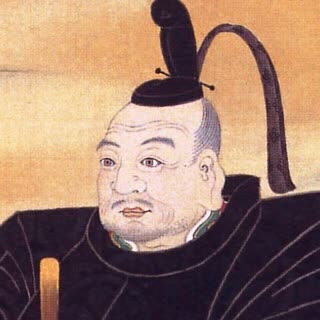 Eastern Army Commander-in-chiefTokugawa Ieyasu 61,7008 units
 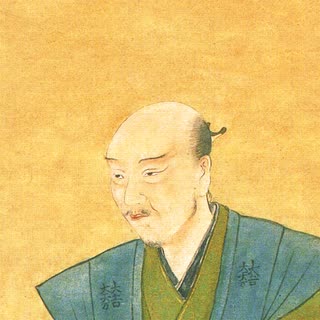 Western Army Ishida Mitsunari 73,3009 units
 Troop strengthTotal of the units shown in 3D
Main camp 30,000Fought 31,700
Fought 32,500Defected 19,200Did not fight 21,600
Eastern ArmyBy troop strength
- Tokugawa Ieyasu 徳川家康 Commander-in-chief 30,000
-
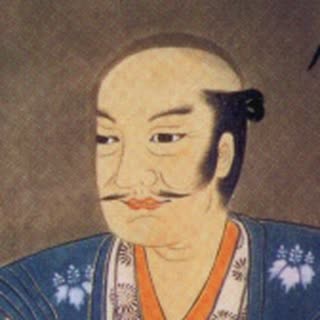 Fukushima Masanori 福島正則 6,000
 -
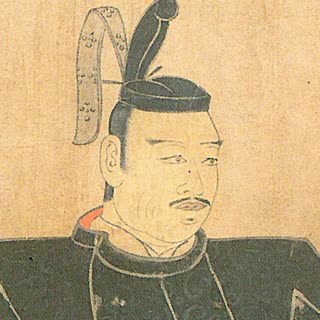 Ii Naomasa & Matsudaira Tadayoshi 井伊直政・松平忠吉 6,000
 -
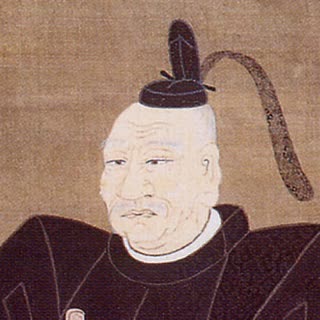 Tōdō Takatora & Kyōgoku Takatomo 藤堂高虎・京極高知 5,800
 -
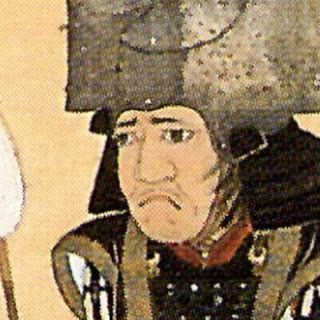 Kuroda Nagamasa 黒田長政 5,400
 -
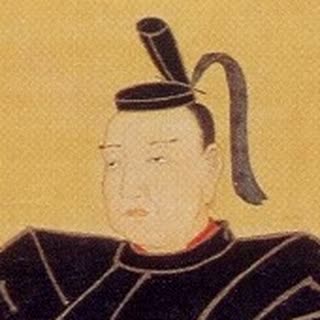 Hosokawa Tadaoki 細川忠興 5,000
 - Tanaka Yoshimasa 田中吉政 3,000
-
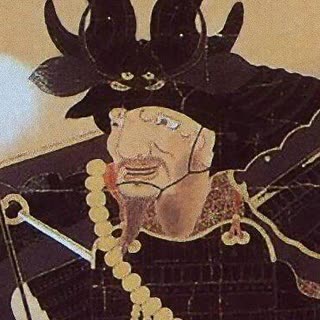 Honda Tadakatsu 本多忠勝 500
Western ArmyBy troop strength
-
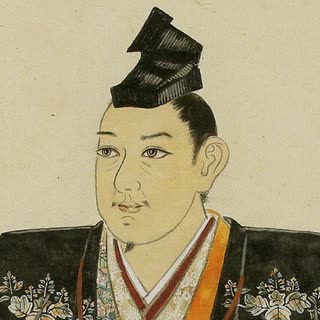 Ukita Hideie 宇喜多秀家 17,000
 - Kobayakawa Hideaki 小早川秀秋 Defected 15,000
- Mōri Hidemoto 毛利秀元 Did not fight 15,000
-
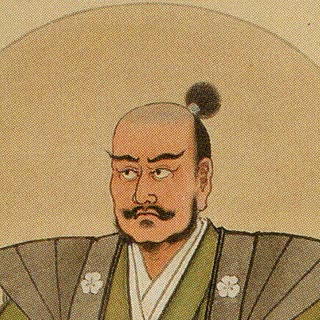 Chōsokabe Morichika 長宗我部盛親 Did not fight 6,600
 - Ishida Mitsunari 石田三成 6,000
- Wakisaka Yasuharu & three others 脇坂安治ら四隊 Defected 4,200
-
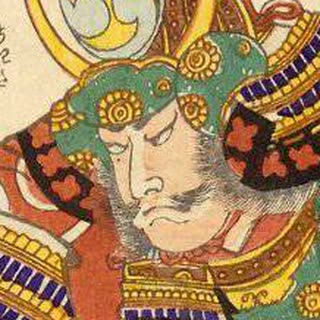 Konishi Yukinaga 小西行長 4,000
 -
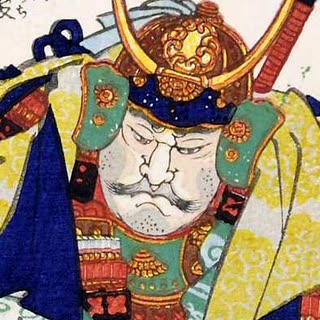 Ōtani Yoshitsugu 大谷吉継 4,000
 -
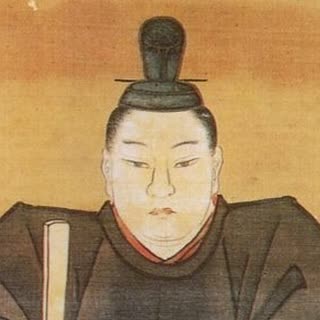 Shimazu Yoshihiro 島津義弘 1,500
Portraits are public-domain images from Wikimedia Commons (some are later imagined depictions).
How the battle unfoldedTimes follow the 3D clock
- 6:00 AMCh. 1
DawnDaybreak in the Mist
Before dawn on the 15th day of the 9th month, Keichō 5. The Sekigahara basin lay under a thick mist. The Western Army, some 80,000 strong, and the Eastern Army, about 75,000, had finished deploying. The battle that would decide the realm waited only for first light.
- 8:00 AMCh. 2
ClashThe Battle Begins
Around eight in the morning the mist lifted. Ii Naomasa and Matsudaira Tadayoshi broke ranks and opened the fighting. Fukushima Masanori hurled his men at the Ukita contingent, while Kuroda Nagamasa and Hosokawa Tadaoki stormed the Ishida position on Mount Sasao.
- 9:30 AMCh. 3
MeleeBack and Forth
Shima Sakon fought ferociously, and the Ukita and Fukushima contingents were locked in a death struggle. The battle was evenly matched. Mitsunari lit signal fires to call for a general assault, but the Mōri army on Mount Nangū, its road blocked by Kikkawa Hiroie, never moved.
- 11:30 AMCh. 4
VolleyIeyasu's Gamble: The Warning Volley
Shortly before noon Ieyasu moved his headquarters from Mount Momokubari to Jinbano, close behind the front line. Then he had his arquebusiers fire on Mount Matsuo, where Kobayakawa Hideaki still hesitated over which side to join. It became known as the "warning volley."
- 12:15 PMCh. 5
TurnKobayakawa Hideaki Turns
Fifteen thousand Kobayakawa troops poured down Mount Matsuo and fell on the camp of Ōtani Yoshitsugu. The four contingents of Wakisaka, Kutsuki, Ogawa and Akaza followed. Despite a desperate defence the Ōtani contingent was annihilated, and Yoshitsugu took his own life.
- 1:10 PMCh. 6
RoutThe Western Army Collapses
The Konishi and Ukita contingents broke one after another. With its support gone, the Ishida main force on Mount Sasao gave way, and Mitsunari fled into the mountains of Ibuki.
- 2:00 PMCh. 7
EscapeShimazu's Breakout
Shimazu Yoshihiro was left stranded amid the enemy with barely a thousand men. He charged straight into the enemy's centre, brushed past Ieyasu's headquarters and broke out onto the Ise Road, finding life in the midst of death. The battle that decided the realm was over in half a day.
In Ultra detailBattle Pass
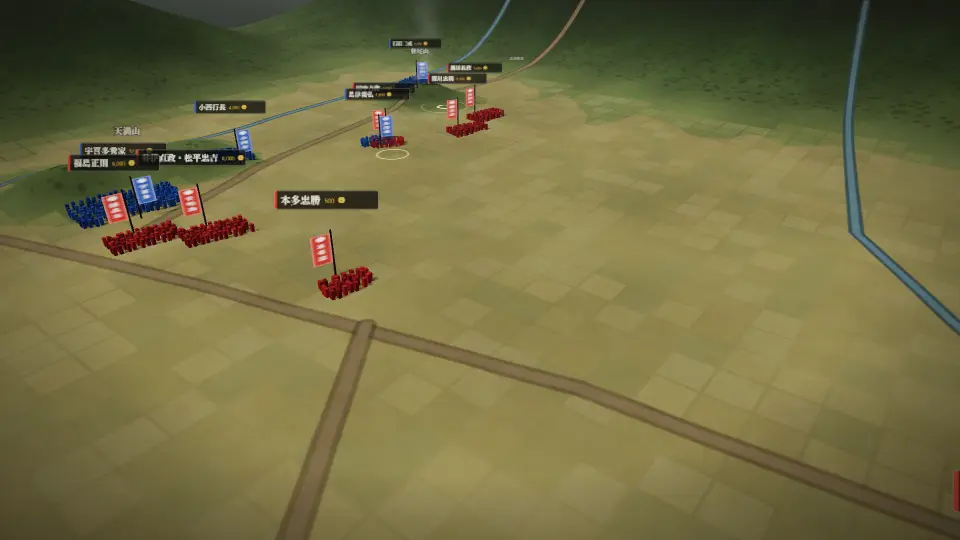
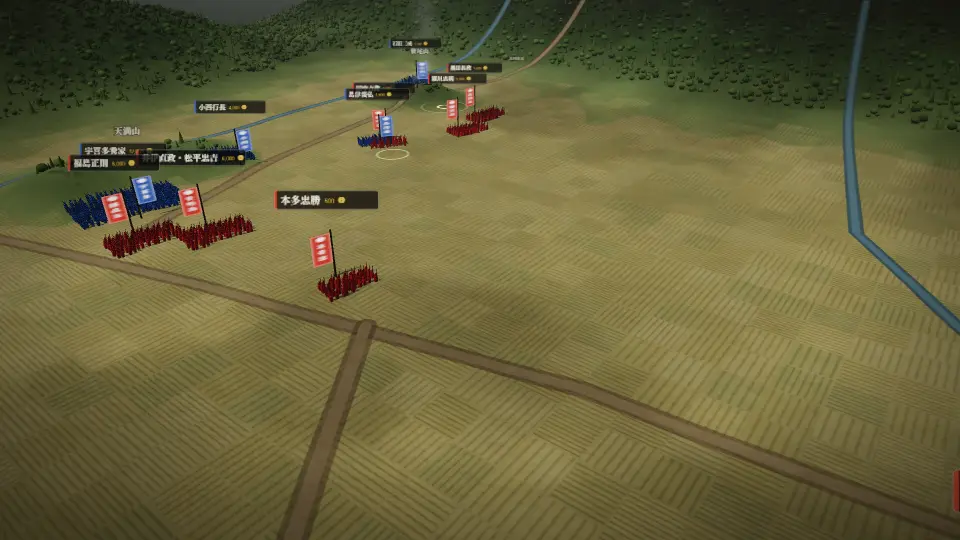
The same scene in the standard quality and in Ultra detail. Drag the line to compare, and switch between "Wide" and "Close-up". Ultra detail adds rugged mountains, forests and rocks in 3D, rippling seas and rivers, rows in the fields and soldiers as figures. Chapter 1 of every battle can be watched in Ultra detail without the Battle Pass.
FAQ
What was the Battle of Sekigahara?
The decisive clash between the Eastern and Western Armies that settled the fate of Japan, and one of the largest battles in Japanese history.
When and where did the Battle of Sekigahara take place?
It took place in 1600 at Sekigahara, Mino Province (October 21, Keichō 5).
Who fought in the Battle of Sekigahara?
Tokugawa Ieyasu of the Eastern Army were among the commanders.
Can I watch the Battle of Sekigahara in 3D?
Yes. This page plays a free three-minute 3D animated overview showing the deployments, the movements of each army and how the battle was decided.